OpenAI Launches ChatGPT Images 2.0 with 2K Output and Reasoning Mode


OpenAI on April 21, 2026 unveiled ChatGPT Images 2.0, a new image generation model that pushes outputs to 2K resolution, dramatically improves text rendering inside images, and introduces a “Thinking” mode that reasons about a prompt before drawing. The model is rolling out across ChatGPT, Codex, and the API as gpt-image-2, replacing the GPT-4o-era image stack that shipped last year.
Intermediate
What’s New
Images 2.0 targets the three weaknesses that dogged the previous generation of diffusion-based models: blurry or garbled text, rigid aspect ratios, and a lack of world knowledge. Outputs now go up to 2K resolution, with flexible aspect ratios from 3:1 to 1:3 and batch sizes up to eight variants per prompt. OpenAI says the model has a knowledge cutoff of December 2025 and can optionally browse the web mid-generation to ground outputs in current facts — for example, pulling a company’s real logo or a stadium’s actual seating chart before rendering.
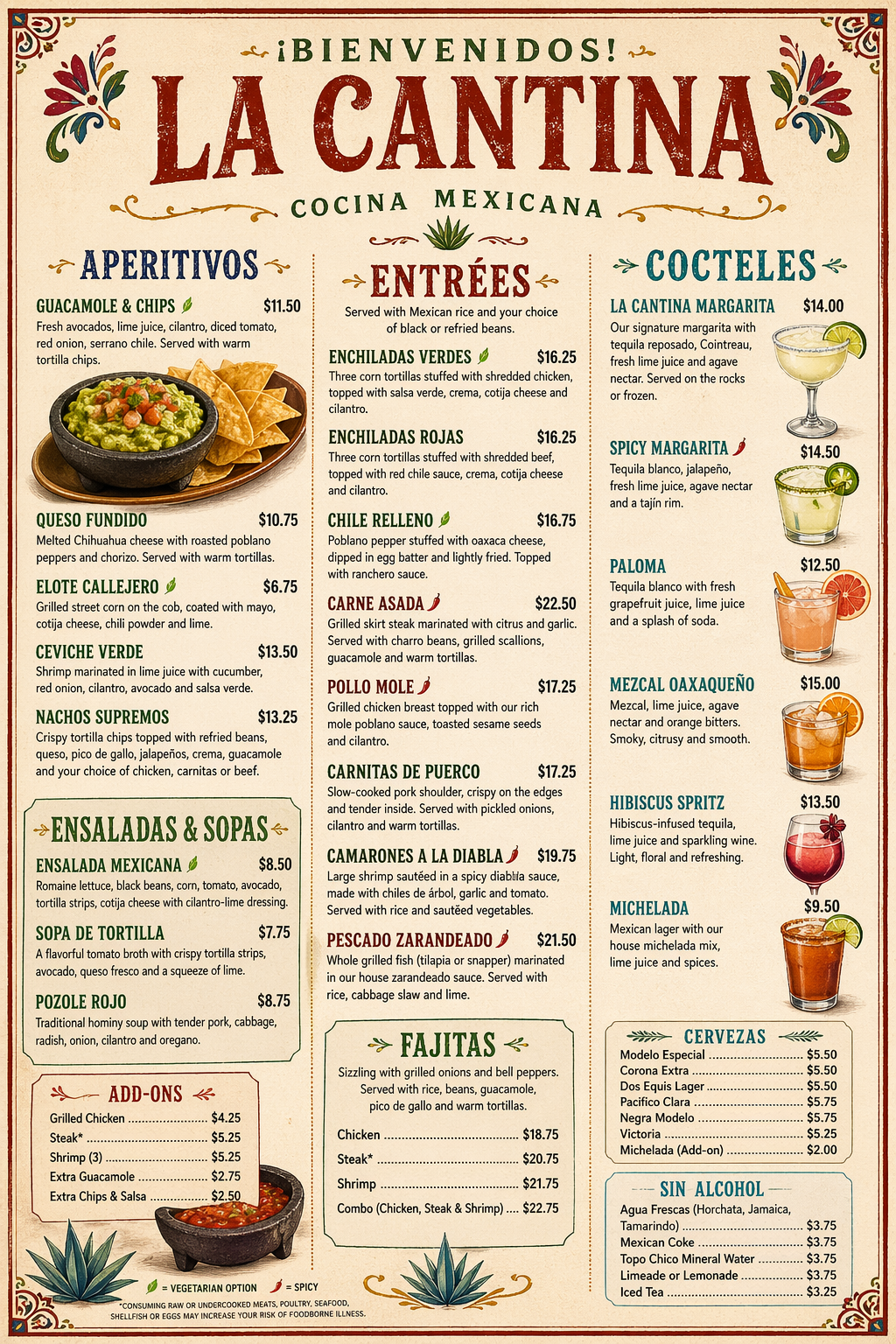
Text rendering is the most visible upgrade. TechCrunch’s demo generated a full Mexican restaurant menu with correctly spelled dishes and prices, the kind of output that previously collapsed into noise. Non-Latin scripts — Japanese, Korean, Chinese, Hindi, and Bengali — also see significant quality gains, which OpenAI frames as a step toward usable global design workflows.
Instant vs. Thinking
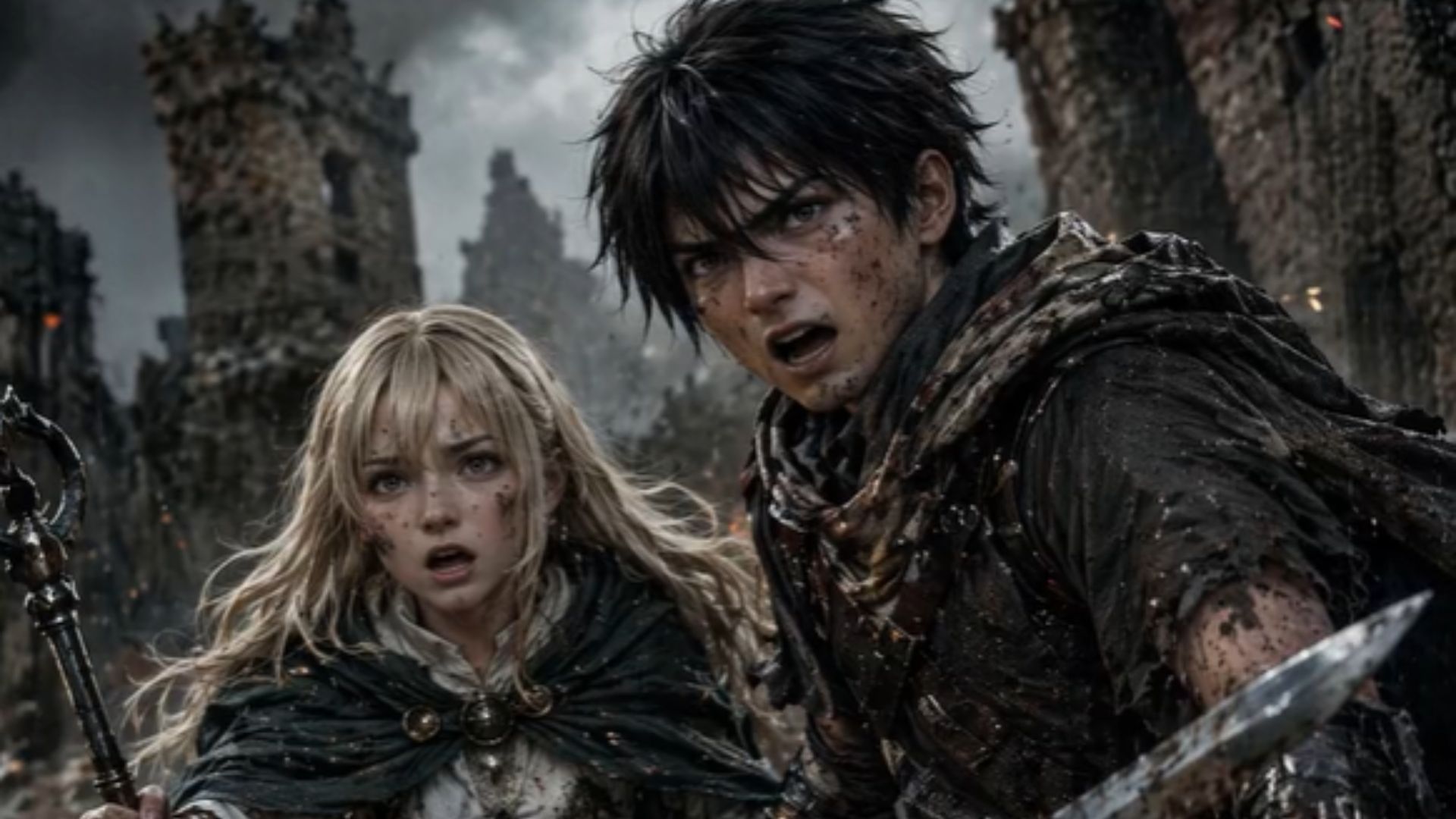
The model ships in two operating modes. Instant prioritizes speed and is the default for quick generations — it was tested anonymously on LMArena under the codename “duct tape.” Thinking spends additional compute reasoning about the prompt before generating, which enables character consistency across frames, self-checking of outputs, and coherent multi-panel narratives such as manga pages and storyboards. Thinking-mode runs for complex outputs can take several minutes, trading latency for compositional reliability.
TechCrunch reports that OpenAI declined to confirm architectural specifics but noted the model likely moves away from pure diffusion toward autoregressive generation — closer to how LLMs produce tokens — which would explain the step-change in text fidelity. The interactive workflow also retains context across edits, so users can zoom, adjust, and iterate on a composition without re-prompting from scratch.
Availability and Access
Images 2.0 is available today to all ChatGPT and Codex users, with higher rate limits and access to Thinking mode reserved for ChatGPT Plus, Pro, and Business subscribers. Developers can call the model through the API as gpt-image-2, with usage-based pricing that varies by resolution and output quality. The release also retires DALL-E as OpenAI’s primary image model, completing a transition that began with the GPT-4o native image generator in March 2025.
Why It Matters
For designers, educators, and content teams, the jump to reliable text-in-image and 2K resolution turns the model from a novelty into a plausible production tool — OpenAI explicitly pitches it for magazine layouts, marketing assets, and educational materials. For the broader research community, Images 2.0 is one of the clearer public signals that frontier image systems are shifting away from diffusion’s “denoise from noise” paradigm toward reasoning-enabled, autoregressive approaches that treat pixels more like tokens. The competitive pressure on open-weight models like Baidu’s ERNIE-Image and on closed rivals at Google and Adobe just went up.
Related Coverage
- GPT-4o native image generation is now available to ChatGPT Plus users — the March 2025 predecessor that Images 2.0 replaces.
- Baidu Open-Sources ERNIE-Image, an 8B Diffusion Transformer — the open-weight alternative now competing with closed frontier models.
This post was drafted with AI assistance and reviewed by RITS staff.
Sources
- Introducing ChatGPT Images 2.0 — OpenAI
- ChatGPT’s new Images 2.0 model is surprisingly good at generating text — TechCrunch
- OpenAI unveils ChatGPT Images 2 image-gen model capable of magazine design — 9to5Mac
- ChatGPT Images 2.0 debuts with reasoning-driven generation, 2K output — Interesting Engineering
- OpenAI Claims ChatGPT Images 2.0 Can Think — PetaPixel


 沪公网安备31011502017015号