BadHost Starlette Bug Puts AI Agent Infrastructure on Alert


A critical Starlette vulnerability known as BadHost is drawing attention from AI infrastructure teams because Starlette is widely used in Python web services, including stacks around vLLM, MCP servers, and agent tooling. The issue, tracked as CVE-2026-48710, involves improper handling of untrusted Host headers and can enable cache poisoning, poisoned password reset links, and server-side request forgery patterns in vulnerable deployments.
Intermediate

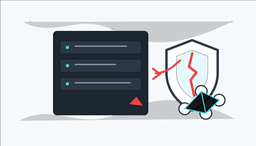
What BadHost Affects
Starlette is a lightweight ASGI framework used directly and indirectly across Python services. Many AI applications sit on this stack because model servers, local tools, agent dashboards, and API gateways often use FastAPI or Starlette-compatible components. That is why a web-framework bug can become an AI operations issue: the vulnerable code may sit in front of model inference, tool-calling routes, file handlers, or internal admin endpoints.
The advisory trail lists Starlette versions prior to the patched release as affected. The safest response is to update Starlette and any framework that vendors or pins it, then verify Host header validation at the reverse proxy and application layers.
Why AI Agent Stacks Are Exposed
Agent systems tend to connect more components than traditional web apps: model servers, vector databases, browser automation, MCP tools, file stores, and callback URLs. If a Host header can be trusted where it should not be, an attacker may be able to influence generated links, redirect internal requests, poison caches, or interfere with callback flows.
This is especially relevant for self-hosted local AI setups. A model server that is “only on the LAN” often becomes reachable through tunnels, dashboards, reverse proxies, or developer convenience settings. Once agents can call tools or browse internal services, small web hygiene issues have larger blast radius.
What Teams Should Do
Update Starlette and dependent packages, then audit deployment boundaries. In practice, that means pinning patched versions, rebuilding containers, checking FastAPI dependency trees, and confirming that proxies such as NGINX, Caddy, Cloudflare Tunnel, or local dev tunnels pass only expected Host values.
For AI labs and classrooms, this is also a useful reminder: model safety is not only about prompts and weights. The ordinary web stack around the model can be the weakest part of an agent system.
This post was drafted with AI assistance and reviewed by RITS staff.

 沪公网安备31011502017015号