IntermediateAI
DeepSeek’s Harness Now Writes Its Own Plugins
- agent
- agentic ai
- deepseek
- open source
DeepSeek announced Creator Mode for its open-source Harness agent app on November 2, 2026, a session mode in which the agent writes, installs and verifies a new plugin from a one-line request. In the company’s own demonstration, a floating Pomodoro timer went from a single sentence of text to a working, tested plugin in five minutes and 24 seconds, with the agent reading the plugin-development skill, inspecting the runtime, writing the code and then checking that the live plugin actually ran.
What Creator Mode does
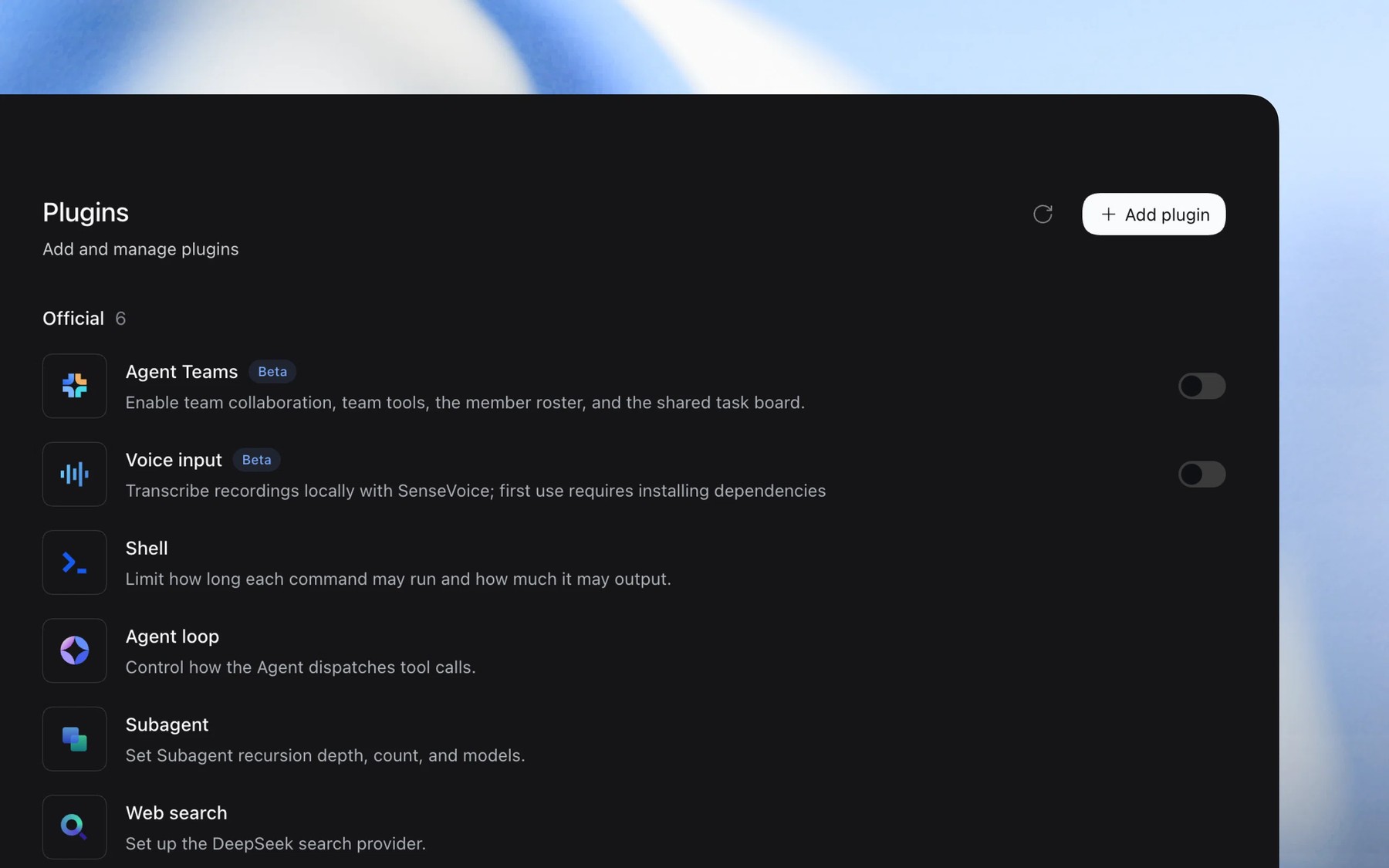
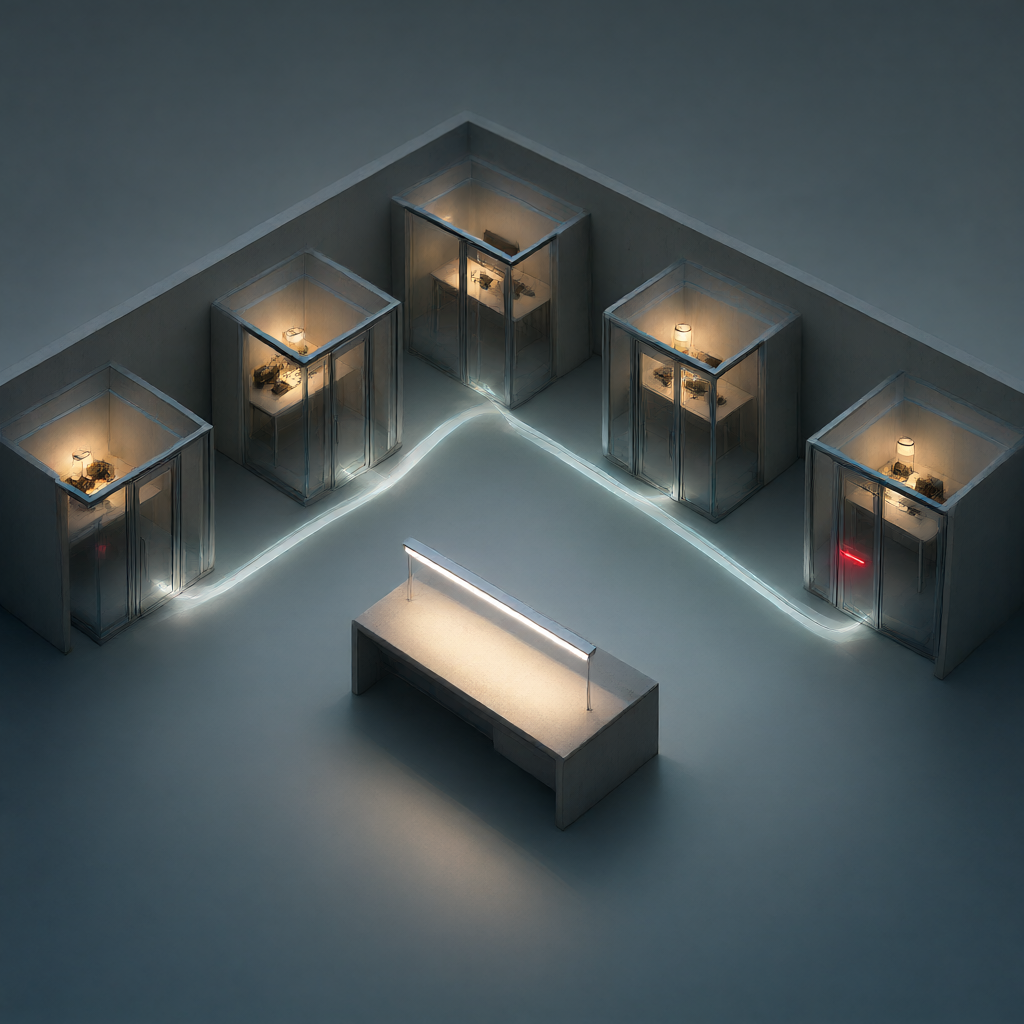
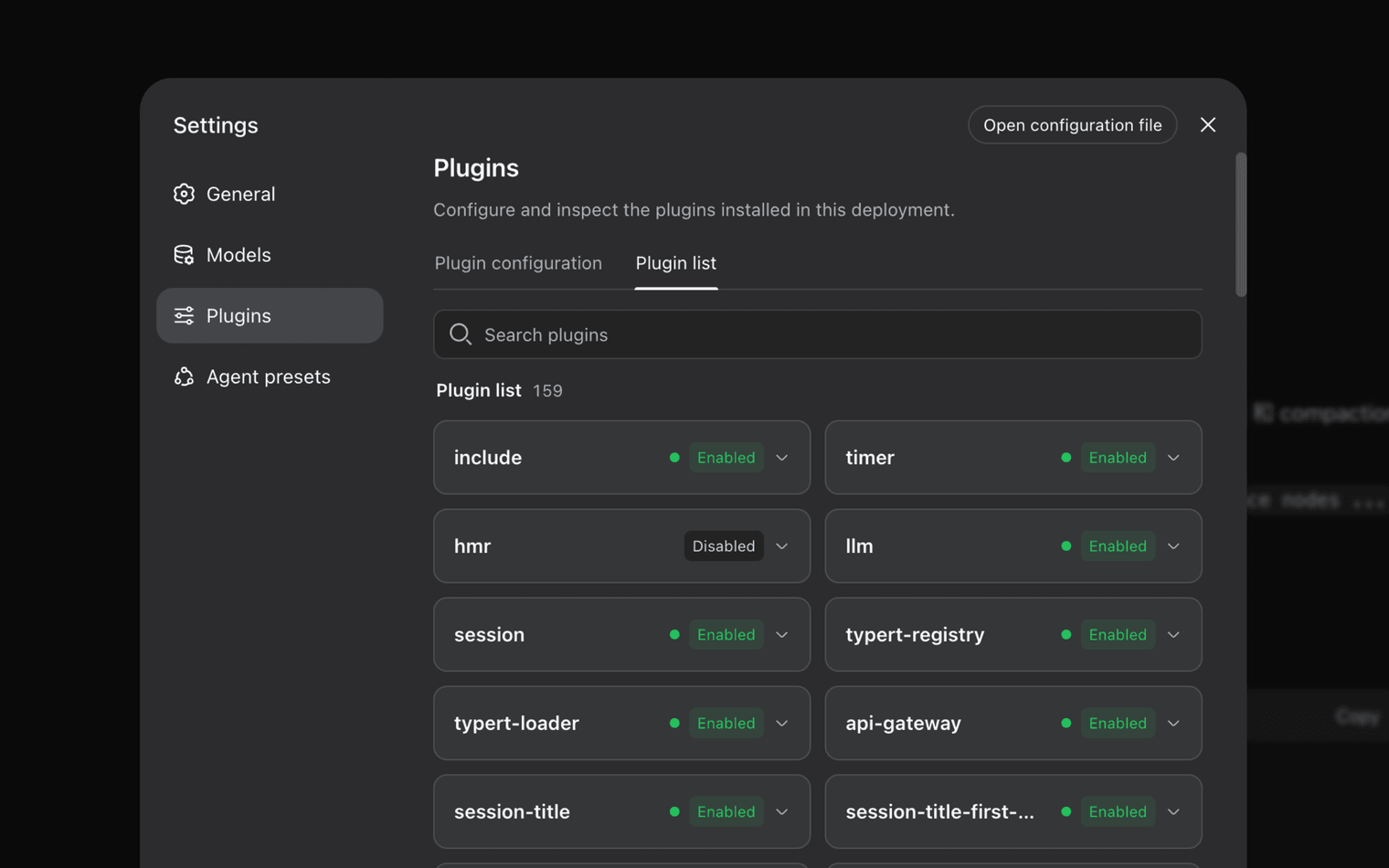
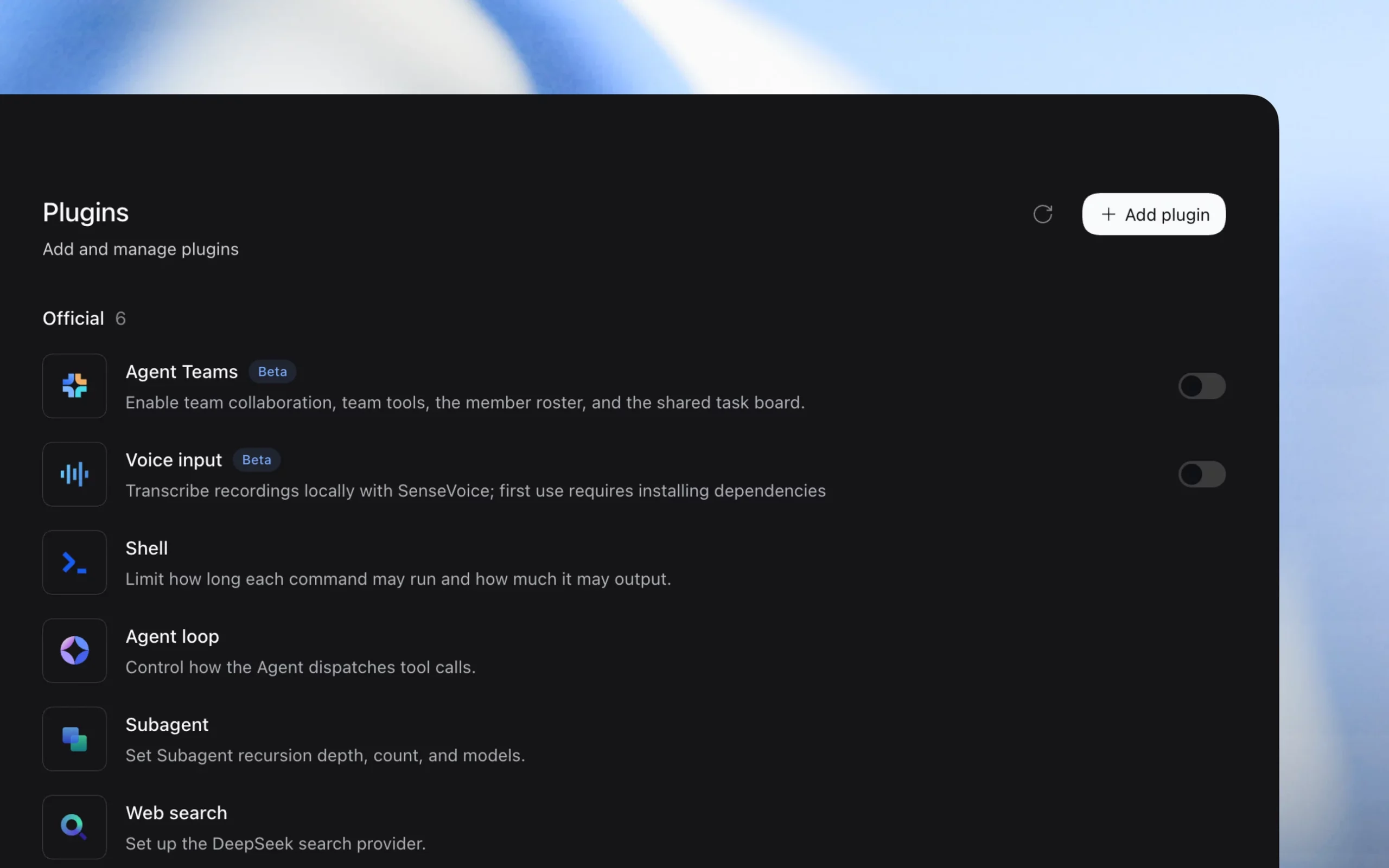
The announcement is short: “Your Harness. You Define It. Meeting Creator Mode in DeepSeek Harness. Turn ideas into plugins that you can use, from a design workspace to a sandbox game or a 3D LLM visualizer.” The mechanism behind it is the architecture Harness has had since its first release — everything in the app is a plugin on the Cordis framework, including tools, skills, sessions and parts of the interface itself, so adding a capability means mounting a new plugin rather than patching a core.
That design decision is what makes the demo possible. The agent does not need a bespoke extension API for each feature; it needs to write a plugin against the same surface the rest of the app uses, install it in memory, and inspect whether it loaded. The published demo shows the sequence plainly: load the plugin-development skill, inspect the runtime’s provision points, query the slot tree, write the plugin’s files, install the bundle, then run a shell command to verify the live plugin state. The agent’s own note in the trace is that the frame-wide overlay layer is the right target for an always-on-top window, which is the kind of judgement the mode is meant to supply.
The seven demos are the interesting part
DeepSeek published seven prompt-and-result pairs, which is the part worth reading closely because it shows where the company thinks the ceiling is. They include a sidebar entry that renders 3D models of the Eiffel Tower, the Great Wall, the Forbidden City and one building of the agent’s choosing; an interactive 3D game explaining what happens inside a Transformer; a theme switcher that restyles the whole application with five presets including a pixelated one; a poster workbench reusing the Harness website’s shader background; a video editing workbench with a preview above and a timeline below; a paper reader that preserves original layout and offers highlight, note and ask-in-conversation on selected text; and a usage dashboard that reads the user’s real session data to show tokens, session counts and estimated cost alongside CPU load.
What separates these from a chat assistant writing a snippet is that each one has to fit an existing application: respect native window controls on macOS, appear in the right sidebar, persist as a preset. The prompts are specific about placement and about what to leave out, which is a fair description of where these requests usually go wrong.
The super-agent is a bundle, not a separate product
Creator Mode lands days after the same team published its super-agent design and prototype. The two are joined at the packaging layer: dsh-superagent is described in its own README as “a proactive coding agent for one GitHub repository, packaged as a bundle for DeepSeek Harness”. The router-and-worker architecture, the trigger handling and the web panel that lists work needing a person are shipped as a Harness bundle rather than as a standalone service.
That makes the two announcements one story. Harness supplies the plugin surface, the session model and the isolation; the super-agent is a large composition of those parts, and Creator Mode is the authoring environment that lets a user build smaller compositions by describing them. The prototype’s governing principle — “take as little human attention as possible, and give as much value as possible” — reads differently once the agent can extend its own interface, because the interface is no longer a fixed cost the user has to reason about.
The caveat is written into the repository
Plugins are code, and the project’s safety notice is unusually direct for a launch announcement. It says Harness is experimental developer-preview software that “has not undergone a security audit”, that it can execute model-generated code and commands, load third-party plugins, and reach the network, processes, credentials and files made available to it. It warns that sandboxing and approval prompts reduce risk without guaranteeing isolation, and recommends least privilege, a disposable virtual machine or container, backups, and reviewing plugins before they run.
DeepSeek also says compatibility-breaking changes are ahead, so plugins written today may need rework. For anyone tempted to point Creator Mode at a production workspace, that combination — generated code, credential access, no audit and a moving API — is the argument for trying it somewhere disposable first.
What This Means
The agent that writes its own tools is an old idea that has mostly failed on reliability rather than ambition. What is new here is the substrate: if every capability in an application really is a plugin, then generating a plugin is a bounded, testable act rather than an open-ended software project, and the agent can verify its own work by loading it.
That has a practical consequence for how these tools get adopted. The bottleneck for agentic software has been that every new workflow needs an integration somebody has to build. Creator Mode’s claim is that the person who wants the workflow can describe it and get a working tool in minutes, with the caveat that nobody has reviewed the code. Both halves of that sentence matter, and which one dominates will depend on how much scrutiny the resulting plugins get.
This post was drafted with AI assistance and reviewed by RITS staff.
Sources
- DeepSeek — DeepSeek Harness (Creator Mode description and the Pomodoro timer demonstration, 5 minutes 24 seconds)
- DeepSeek Harness on X — Creator Mode announcement (November 2, 2026)
- ifeng Tech — DeepSeek Harness Creator Mode release (November 3, 2026; the seven demo prompts in full)
- ShiftDelete — DeepSeek Creator Mode Lets Harness Users Build Plugins by Chat (November 2, 2026)
- GitHub — deepseek-harness SAFETY.md and the repository (MIT licence; 269,881 stars, 32,781 forks)
- GitHub — deepseek-ai/dsh-superagent-prototype (README: a Harness bundle; MIT)


 沪公网安备31011502017015号