IntermediateAI
Anthropic Opens Claude Duet, an Agent That Messages You First
- Anthropic
- agentic ai
- ai agents
- claude
Anthropic opened a research preview of Claude Duet on October 21, 2026, a standalone app in which Claude messages you first instead of waiting for a prompt. The product is the company’s most direct move yet from answering questions toward running pieces of a working day, and it enters a category that OpenAI and Meta have been filling since late summer.


An agent that messages first
Duet ships as standalone apps for iOS and Android and on the web at claude.ai. During the preview it is included in Pro and Max plans rather than sold separately, and it draws on the same usage limits as the rest of Claude. Access is by invitation: users join a waitlist, invitations go out in waves to US accounts, and Team and Enterprise plans are excluded for now.
Each morning Duet sends a short brief drawn from the apps you have connected, then monitors those accounts and messages you only when something needs attention. Larger jobs — a financial model, a sales forecast, a dashboard, a prototype web app — come back as files rather than chat replies, landing in a Make tab, while ongoing work sits in Tasks. Anthropic’s support documentation says only the user can mark a task finished.

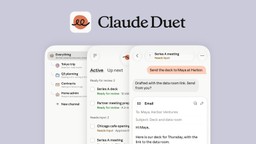
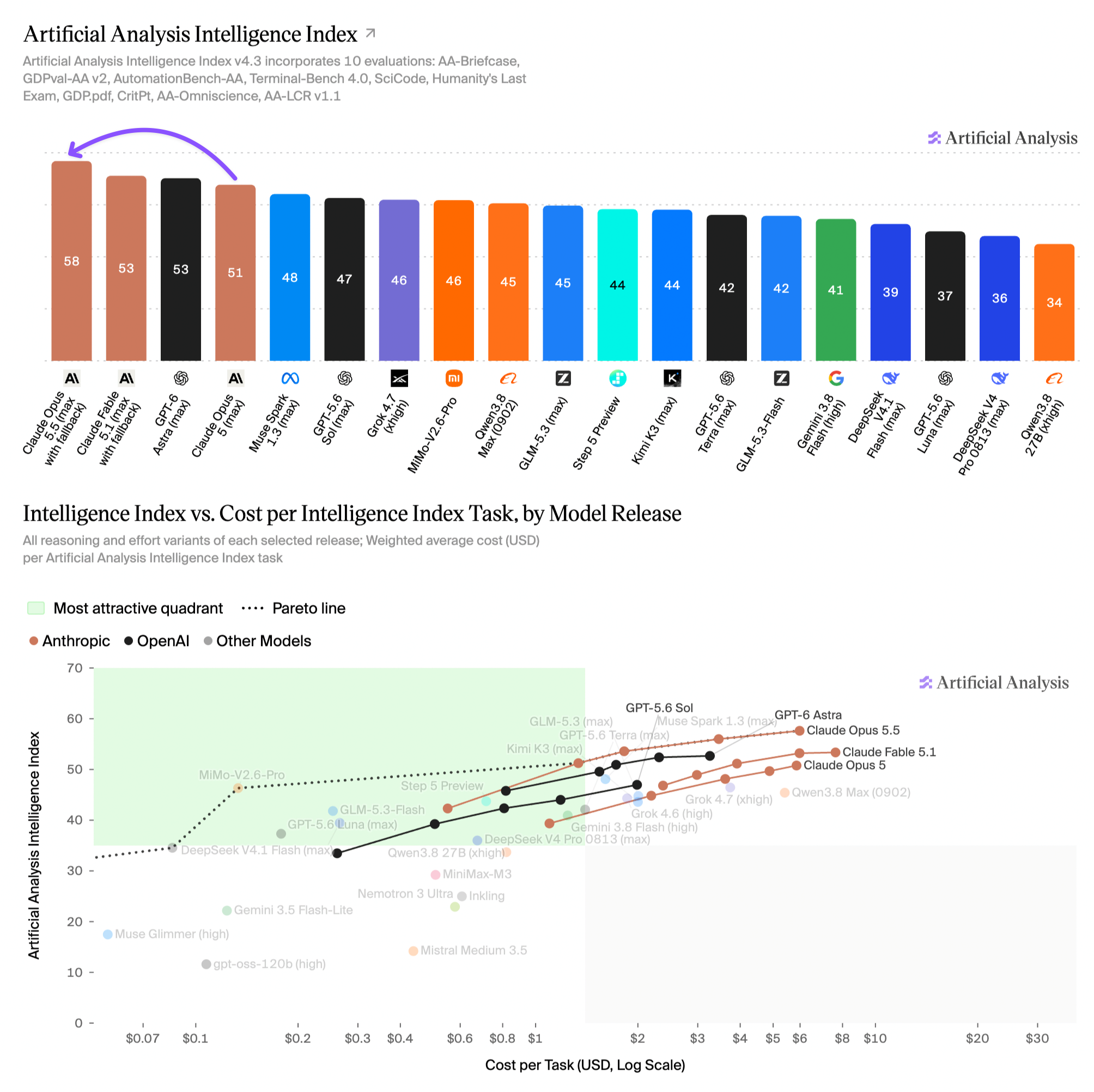
The mechanism is mundane but consequential: Duet runs on a virtual machine in the cloud with its own browser, so a job continues after your laptop or phone is off. It inherits your existing Claude memory, skills and connected apps, making setup mostly a login rather than a configuration exercise. The model underneath is Claude Opus 5.5, released September 22, 2026.

Approvals and a dedicated classifier
Anthropic’s pitch leans on restraint. Duet reads, drafts and prepares on its own, but before it sends a message, makes a payment, signs a document or deletes anything it shows the action and waits. Trading securities and moving money between accounts are refused even with approval. It can draw on the 6,000-plus connectors in the Claude Marketplace — Gmail, Slack, QuickBooks, Stripe, Gusto, DocuSign, HubSpot, Shopify — and can pay through Stripe’s Link wallet or Shop Pay with a virtual card, so the real card number is never exposed.
The security design borrows from earlier work: credential handling follows Claude Managed Agents, so Duet is described as never seeing passwords or tokens; action gating uses the auto mode classifier that guards Claude Code; prompt-injection defenses come from Anthropic’s browser-use research. Anthropic says red teams and an external firm penetration tested the product, and that it is covered by the company’s HackerOne bug bounty. One piece is new — a dedicated classifier and safety system prompt that rejects requests to share credit card numbers or government identification, and lets health or financial details through only when the user has explicitly instructed it.
What This Means
Duet is the clearest sign that assistants are converging on one pattern: a background process with a persistent identity, a bank of connected accounts and a queue of work, rather than a text box. The New York Times described it as “Anthropic’s most direct attempt to move its chatbot from answering questions to running parts of people’s working lives.” Anthropic aimed it at professionals and small business owners, conceding that personal errands such as booking tickets are not “quite as strong” — a boundary OpenAI and Meta have drawn differently.
Early hands-on impressions split along that seam. Reviewer Claire Vo called it “the most polished agent launch I’ve seen,” citing onboarding, task lists, artifacts and Slack-style channels, then added: “But polish isn’t enough when you’re competing with every other personal agent for attention.” Her complaints were behavioural rather than cosmetic: a proactive agent that rarely nudged, latency that made synchronous work tedious, and no desktop app. Anthropic’s own limitation list is candid — Duet “still might misread a thread or miscalibrate what’s urgent,” cannot yet show its browser, and lives apart from the main Claude client.
For researchers, the more useful signal is a constraint Anthropic made explicit: background checks run every few hours because checking continuously “would use up your plan’s limits much faster.” Agentic products are now shaped as much by inference economics as by capability, and the question for the next release is how Duet’s judgment about when to interrupt gets tuned once real usage data arrives.
This post was drafted with AI assistance and reviewed by RITS staff.
Sources
- Introducing Claude Duet — Anthropic, October 21, 2026
- Claude Duet product page — Anthropic
- Get started with Claude Duet — Anthropic support
- Anthropic takes on ChatGPT Dots and Meta Muse with Claude Duet — 9to5Mac, October 21, 2026
- Claude Duet is Anthropic’s answer to Meta Muse and OpenAI Dots — Engadget, October 21, 2026
- Anthropic Joins the A.I. Agent Race With Claude Duet — The New York Times, October 21, 2026
- Claude Duet is beautiful. I still forgot to use it — Claire Vo, Lenny’s Newsletter, October 21, 2026


 沪公网安备31011502017015号